
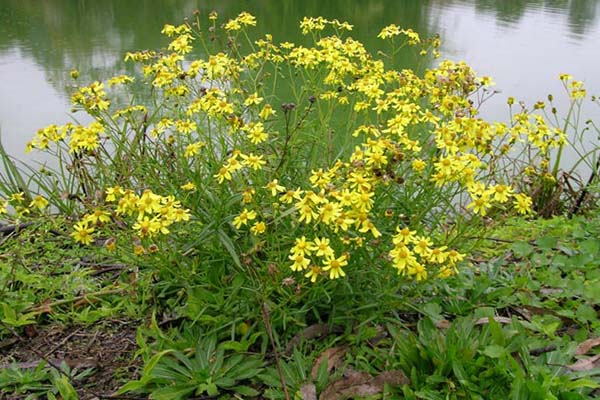
 Fireweed is a heavily branched daisy-like plant. Photographer: H Rose. Image: © State of New South Wales.
Fireweed (Senecio madagascariensis) continues to be one of the most troublesome pasture weeds across New South Wales (NSW).Its bright yellow flowers may look harmless, but Fireweed is a highly invasive species that competes aggressively with pastures and poses significant toxicity risks to cattle, sheep, goats, and especially horses.
Effective management requires vigilance, particularly between March and June, when Fireweed is most visible and actively growing across southern NSW.
Fireweed thrives in overgrazed or neglected pastures, quickly forming dense infestations that suppress valuable feed species. The plant contains pyrrolizidine alkaloids, which cause irreversible liver damage in livestock. Horses are especially vulnerable, often showing neurological signs such as dullness, incoordination, and photosensitivity. Cattle and sheep can also suffer weight loss, poor growth, and in severe cases, sudden death. 1
With March to June marking the peak Fireweed window in southern NSW, early detection and treatment now can prevent large-scale spread later in the year. 2
Fireweed is an annual or short-lived perennial herb that varies in size depending on environmental conditions. It typically grows 10 to 60 cm tall and produces small, bright yellow daisy-like flowers with 13 to 15 petals. Seedlings flush after rain, especially in warm conditions, and all growth stages may be present simultaneously. The plant’s fibrous root system and prolific wind-dispersed seeds make it capable of rapid expansion across paddocks, fencelines, and disturbed soil areas.
Autumn is a high-risk period. Walk high-traffic areas, gateways, and lightly grazed paddocks to spot early seedlings. Immediate removal helps prevent seed set and establishment. Hand pulling is effective when soil is moist, ensuring the entire root system is removed.2
Chemical control is most effective when Fireweed is young and actively growing, typically the case during autumn and early winter. Trials in NSW show the highest success at the seedling stage using bromoxynil formulations such as Bromicide® 200.
Always follow label instructions and consult local authorities regarding legal requirements under NSW pesticide regulations.
Graziers may opt to over-sow with a beef or equine seed blend such as Equine Blend or Hawkesbury Blend to aid in better coverage and inhibit further growth.
Many graziers use grazing management (such as rotational grazing) to improve pastures and reduce weeds, including fireweed. Fireweed often proliferates when pasture is overgrazed.
The presence of fireweed is an indication of poor pasture management and the ultimate goal should be pasture improvement.
Healthy, dense pasture is your best long-term defence. Avoid overgrazing late in summer, as bare soil encourages Fireweed germination. Sowing winter-active species and maintaining good ground cover helps suppress Fireweed seedlings during the cooler months.2
Equine centres should be especially vigilant. Horses are more prone to Fireweed poisoning and may develop severe neurological symptoms. Remove stock immediately from infested areas, and ensure hay and silage are free of Fireweed contamination.1
March to June is an ideal intervention window: plants are young, visible, and responsive to control. Combining regular monitoring, strategic herbicide application, and strong pasture management will significantly reduce Fireweed spread and protect your livestock— as well as your bottom line.
If Fireweed is emerging on your property, now is the time to act.
References:
Disclaimer - important, please read:
Ace Ohlsson provides recommendations to the best of its knowledge and based on assumptions and information which it understands to be up to date, complete and accurate. If you are aware of any error or inaccuracy with the information on which this recommendation is based, you must immediately bring this to Ace Ohlsson's attention. This recommendation is provided for your use only, and not that of any other third party. In some circumstances, the information Ace Ohlsson provide may be in summary form or derived from information sourced from third parties. You should always carefully evaluate all available information and consult Ace Ohlsson or another advisor further before you commit to any course of action or rely on any recommendation. Additionally, Ace Ohlsson expects that you will use your knowledge, experience and best judgement in relying on any recommendation and determining whether the recommendation is, and continues to be, appropriate. Ace Ohlsson does not accept liability or responsibility for any indirect,consequential or economic loss or damage of any kind arising from your acceptance or reliance on this recommendation. To the fullest extent permitted by law, all guarantees, warranties or implied terms and conditions are expressly excluded and Ace Ohlsson’s liability with respect to any services provided is limited to re-supply of the services, or the cost of having the services re-supplied. Ace Ohlsson may from time to time recommend products or services for which it may receive a financial incentive (rebate, commission, benefit, etc) from a supplier/manufacturer directly related to your purchase or use of that product or service.