

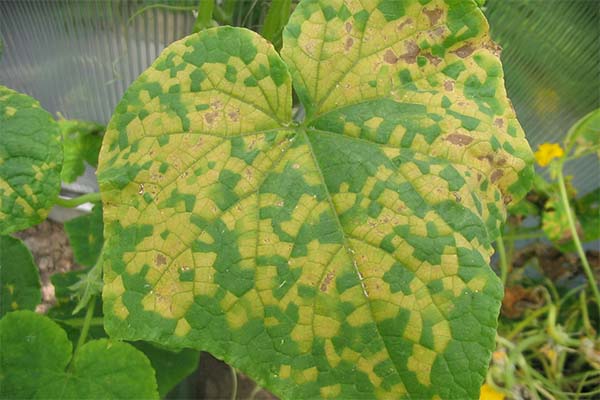
 Image showing yellow "oilspots" on the top of a leaf that characterise an outbreak of Downy mildew.
Downy mildew diseases are caused by several fungal like water moulds (oomycetes), each host specific but sharing similar infection patterns. These pathogens are obligate parasites that require living plant tissue to survive.
In production nurseries they attack a wide range of ornamentals and seedlings, often leading to stunting, distortion, and plant collapse. Symptoms vary widely, making early misdiagnosis common.
In vegetable crops such as onions, Peronospora destructor thrives in cool, wet environments typical of New South Wales’ winter and shoulder seasons.
Viticulture faces its own species, Plasmopara viticola. Established across Australian grape growing regions including NSW, it can cause devastating crop losses under warm, wet conditions.
Because downy mildew depends on moisture and mild temperatures, disease pressure spikes during periods of high humidity and leaf wetness.
Primary infections often follow specific environmental triggers. In viticulture, the 10:10:24 rule applies: 10 mm of rain with temperatures above 10°C for 24 hours, followed by a warm, wet night, triggering oospore germination and early infection.
Secondary infections occur rapidly when humidity exceeds 98 per cent and temperatures sit between 13 to 25°C, allowing the disease to spread explosively in sheltered or densely packed cropping environments such as nurseries and vineyards.
Cool, wet winters in NSW also favour infections in onions and leafy crops, while warm, wet nights in late spring and early summer elevate risk in vineyards.
Downy mildew is highly destructive across nursery, vegetable, and viticulture industries.
In nurseries, seedlings show stunting, systemic infections, and collapse, with symptoms ranging from leaf lesions to distortion. Late diagnosis allows rapid spread.
In onions, early infections produce pale lesions and spore masses, spreading quickly through crops and causing significant yield and quality losses. Infection sources include infected bulbs, seeds, and plant debris.
In viticulture, severe infection near flowering can cause total crop loss. Leaves may fall prematurely, reducing yield and sugar accumulation, while berries become vulnerable to sunburn and next season buds become less hardy.
Downy mildew remains endemic and one of the highest priority disease threats in Australian vineyards, including those in NSW.
The nursery industry sees frequent detections due to the wide host range and conducive environmental conditions.
Vegetable growers continue to battle seasonal outbreaks, prompting strong industry research and support.
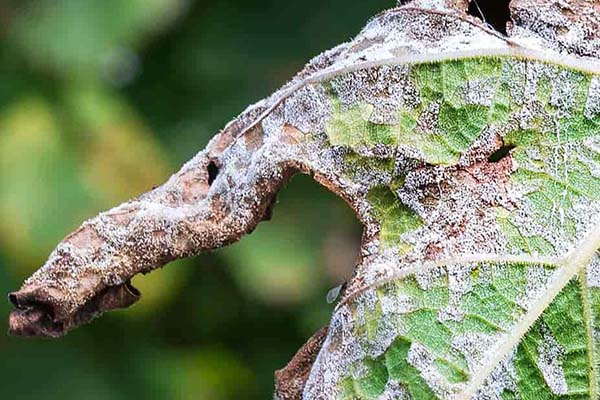 Image showing the fuzzy white growth on the underside of a leaf struck by Downy mildew.
1. Cultural practices
Reducing leaf wetness is essential. Improve airflow with pruning and proper crop spacing, water early in the day, and remove infected plant material to reduce overwintering sources. Nursery hygiene is especially critical.
2. Monitoring and forecasting
Early detection of oilspots, angular leaf lesions, and other symptoms is vital. Many sectors use weather based prediction models to anticipate risks and time treatments effectively.
3. Fungicide programs
Growers typically follow either preventative spray schedules or post infection treatment programs triggered by weather conditions. Proper timing and rotating actives is crucial to prevent fungicide resistance.
4. Diagnostics and biosecurity
Because symptoms can mimic other pathogens, proper diagnosis is needed before treatment. Professional diagnostic laboratories help growers confirm infections quickly.
Use contact fungicides like Copper or Mancozeb for regular preventive control. In high pressure conditions use systemic preventive products like Orondis Flexi, Infinito , Revus and Zorvec Enicade for their long residual control and superior coverage.
If early infection signs like oil spots are visible use systemic curative products like Ridomil or Phozguard . Ensure activity groups are rotated and used appropriately under the CropLife Resistance Management Strategy for downy mildew.
Downy mildew remains a major threat across NSW horticulture. Its reliance on moisture and mild temperatures means that vigilance, early detection, and integrated management are essential. Growers who invest in monitoring, hygiene, and strategic fungicide application are well positioned to protect plant health and preserve long term productivity.
Disclaimer - important, please read:
Ace Ohlsson provides recommendations to the best of its knowledge and based on assumptions and information which it understands to be up to date, complete and accurate. If you are aware of any error or inaccuracy with the information on which this recommendation is based, you must immediately bring this to Ace Ohlsson's attention. This recommendation is provided for your use only, and not that of any other third party. In some circumstances, the information Ace Ohlsson provide may be in summary form or derived from information sourced from third parties. You should always carefully evaluate all available information and consult Ace Ohlsson or another advisor further before you commit to any course of action or rely on any recommendation. Additionally, Ace Ohlsson expects that you will use your knowledge, experience and best judgement in relying on any recommendation and determining whether the recommendation is, and continues to be, appropriate. Ace Ohlsson does not accept liability or responsibility for any indirect,consequential or economic loss or damage of any kind arising from your acceptance or reliance on this recommendation. To the fullest extent permitted by law, all guarantees, warranties or implied terms and conditions are expressly excluded and Ace Ohlsson’s liability with respect to any services provided is limited to re-supply of the services, or the cost of having the services re-supplied. Ace Ohlsson may from time to time recommend products or services for which it may receive a financial incentive (rebate, commission, benefit, etc) from a supplier/manufacturer directly related to your purchase or use of that product or service.