

As New South Wales horticulture moves into the cooler, wetter months of May and June, the risk profile for many crops shifts significantly. For growers, winter is not a quiet period for biosecurity. It is a time when specific pests and diseases gain an advantage, often emerging unseen until economic damage has already occurred.
From our position supplying growers across the state, winter consistently highlights the same pressure points: fungal pathogens favoured by leaf wetness, soil borne diseases driven by cold and saturated soils, and pest populations such as snails and slugs that thrive when conditions slow crop growth.
Extended leaf wetness, reduced airflow and slower drying times create ideal conditions for fungal diseases such as Botrytis, powdery mildew, downy mildew, white blister and leaf spot complexes across vegetables, berries, ornamentals and nursery crops.
Protected cropping systems are particularly vulnerable if ventilation and hygiene protocols are relaxed during cold mornings. Preventative fungicide programs, rotation of active ingredients to manage resistance, and tighter canopy management remain the most effective safeguards. Equally important is timing, intervening before symptoms are visible rather than reacting after disease is established.
Our agronomists recommend the following products for:
Downy mildew and White blister
Infinito – Group 28 + 43 - Brassica, Bulb Veg, Cucumber, Leafy Veg and Lettuce. Strong preventative control and short withholding period.
Powdery Mildew and Botrytis
Verpixo – Group 21- Cucumber, Capsicum, Tomato, Eggplant, Lettuce and Strawberry. Long lasting broad spectrum preventative control with very short withholding period.
Leaf Spot Complex – Alternaria, Septoria (leaf blight) and Cercospora (leaf Spot)
Score – Group 3 – Tomato, PER87973 – Brassica, Silverbeet, Spinach and Parsley. Broad spectrum systemic and cost effective preventative.
Cold, waterlogged soils elevate the risk of Pythium, Phytophthora, Fusarium, Rhizoctonia and related root pathogens. These issues are often misdiagnosed as nutrition problems, delaying effective control.
Winter is the ideal time to review drainage, irrigation scheduling and substrate health. Preventative treatments such as targeted soil fungicides, biologicals, and phosphorous acid programs can significantly reduce losses when used proactively. Clean water sources and well maintained delivery systems are also critical, particularly in nursery and propagation settings.
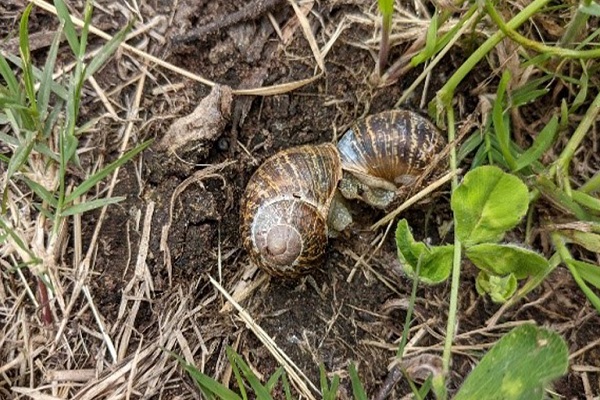
Snails and slugs remain one of the most underestimated winter threats, particularly in leafy vegetables, brassicas, strawberries and ornamental production. Damp conditions and slow crop growth amplify feeding damage while contamination risks at harvest increase.
An integrated approach combining baiting, monitoring and habitat management delivers the best results. Regular bait rotation, perimeter treatments and removal of shelter areas reduce pressure before populations peak.
Winter biosecurity failures often trace back to hygiene lapses. Think shared tools, contaminated trays, unmanaged runoff, or poor traffic control between production zones. Clean down protocols, footbaths, and regular staff refreshers remain low cost, high impact risk controls.
Monitoring tools such as spore traps, soil testing, and routine crop inspections are especially valuable during winter, when disease progression may be slower but more destructive long term.
Our services extend beyond product availability. For more than 85 years we've assisted growers with seasonal risk planning, product stewardship, compatibility advice and regulatory guidance; all central to protecting crops, yield and market access.
Winter rewards those who plan early and our team of agronomists are available for advice and support throughout NSW. By reinforcing preventative programs now, before pressure escalate, you can enter spring with healthier crops, cleaner production systems and a stronger biosecurity position.